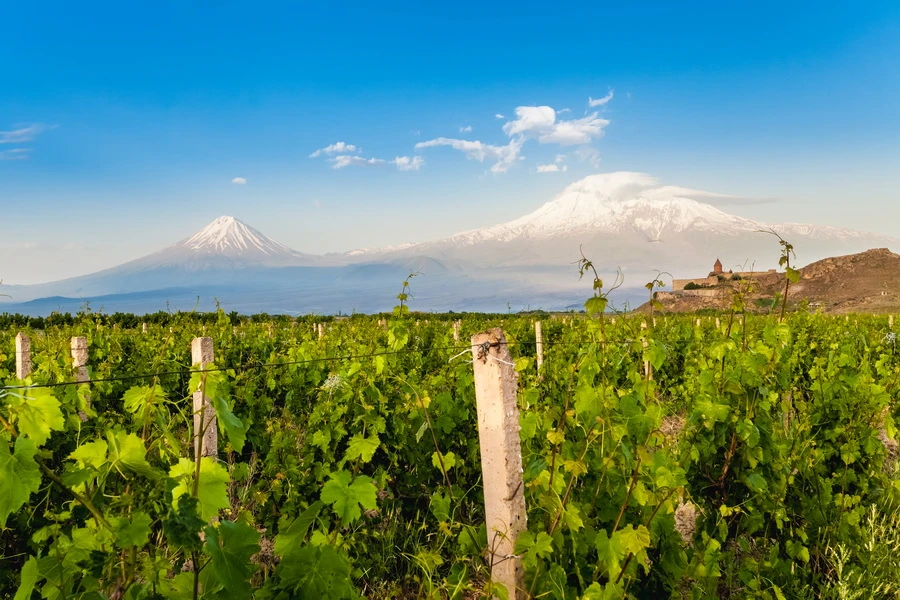
Armenia – The Homeland of Ancient Winemaking, Stunning Mountains, Timeless Cultural and Architectural masterpieces
Welcome to Armenia — a land where history stretches back more than 2300 years.
The story of Armenia is best told through its rich culture and the magnificent architectural monuments scattered throughout the country — from centuries-old monasteries perched on mountain cliffs to intricate khachkars (cross-stones) standing as silent witnesses to time.
Yet travelers are often surprised to discover that alongside its deep historical roots, Armenia is vibrant and modern. Its capital, Yerevan, though nearly 2,800 years old, shines with energy, warmth, and an active urban rhythm. Cozy cafés, lively streets, cultural festivals, and welcoming locals create an atmosphere that beautifully blends tradition with contemporary life.
Indeed, Armenia is an attractive destination for all types of travelers. Whether you are passionate about cultural exploration, fascinated by natural landscapes, eager for scenic hiking trails, or drawn to extreme adventures, this captivating country offers unforgettable experiences for every kind of tourist.
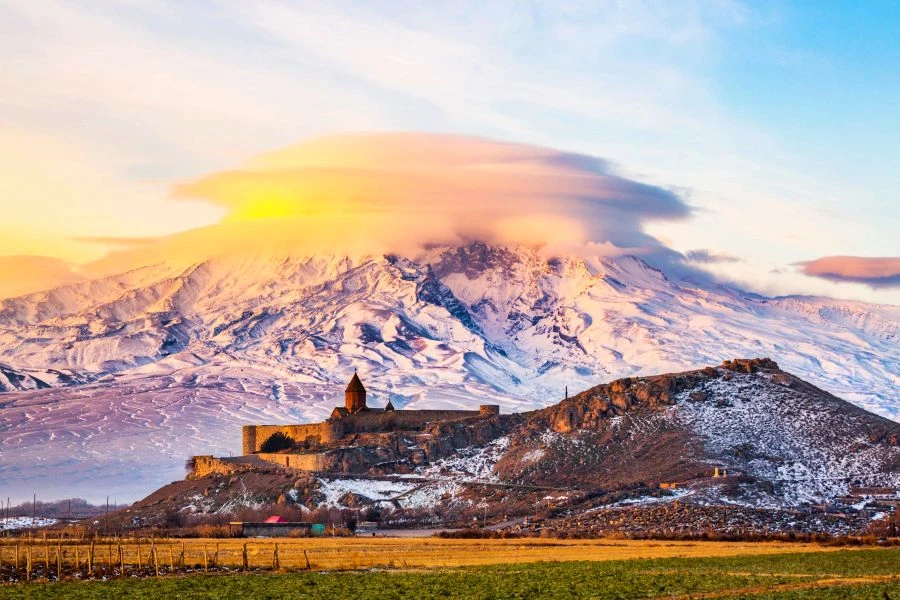
Unique architecture
Armenian architecture is characterized by a high level of national identity and distinctiveness. It features beautiful artistic solutions that reflect the spirit of the people living in the Armenian Highlands. Medieval monasteries, whose darkened walls seem like silent witnesses of the past.
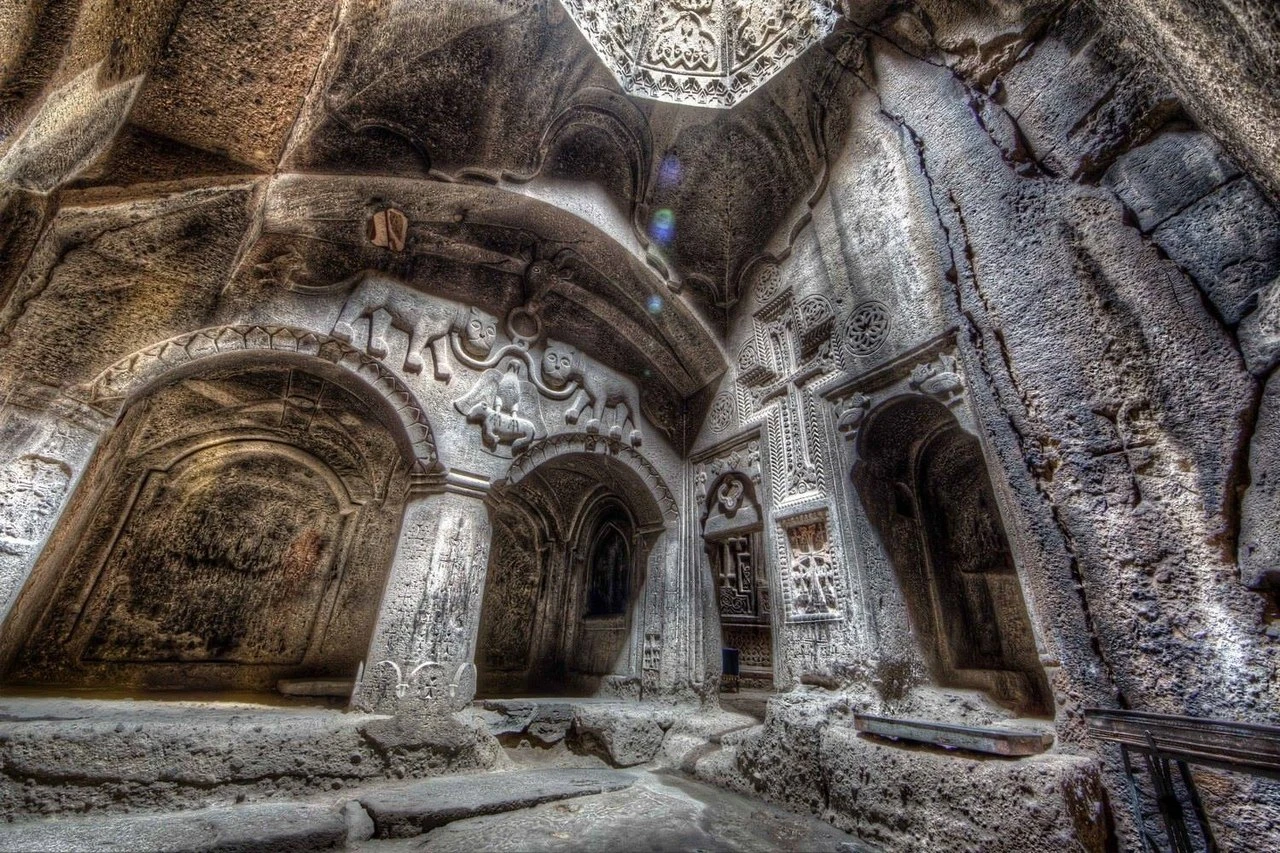

Armenian manuscripts and miniatures
The Armenian alphabet was created in 405 AD. Its creation marked a turning point in Armenian culture, enabling the development of a rich literary and artistic tradition.
From the 5th century onward, thousands of valuable Armenian manuscripts were produced and carefully preserved. These manuscripts include religious texts, historical chronicles, scientific works, and literary writings. Many of them are now kept in famous museums and manuscript repositories in Yerevan, especially at the renowned Matenadaran (Mesrop Mashtots Institute of Ancient Manuscripts).
Beyond their literary importance, Armenian manuscripts are celebrated for their exquisite miniature paintings. These medieval miniatures are characterized by vivid colors, intricate ornamentation, symbolic imagery, and detailed depictions of biblical scenes, saints, and everyday life. Armenian miniature art is considered one of the finest expressions of medieval Christian art and remains an essential part of Armenia’s cultural heritage.
Wings of Tatev – The World’s Longest Reversible Cableway
The Wings of Tatev is the longest reversible cable car in the world, stretching 5,752 meters (5.7 km) across the breathtaking Vorotan River Gorge in southern Armenia.
📍 Destination: Tatev Monastery
The cableway connects visitors to the magnificent Tatev Monastery, a 4th-century Armenian Apostolic monastery complex perched dramatically on a cliff edge
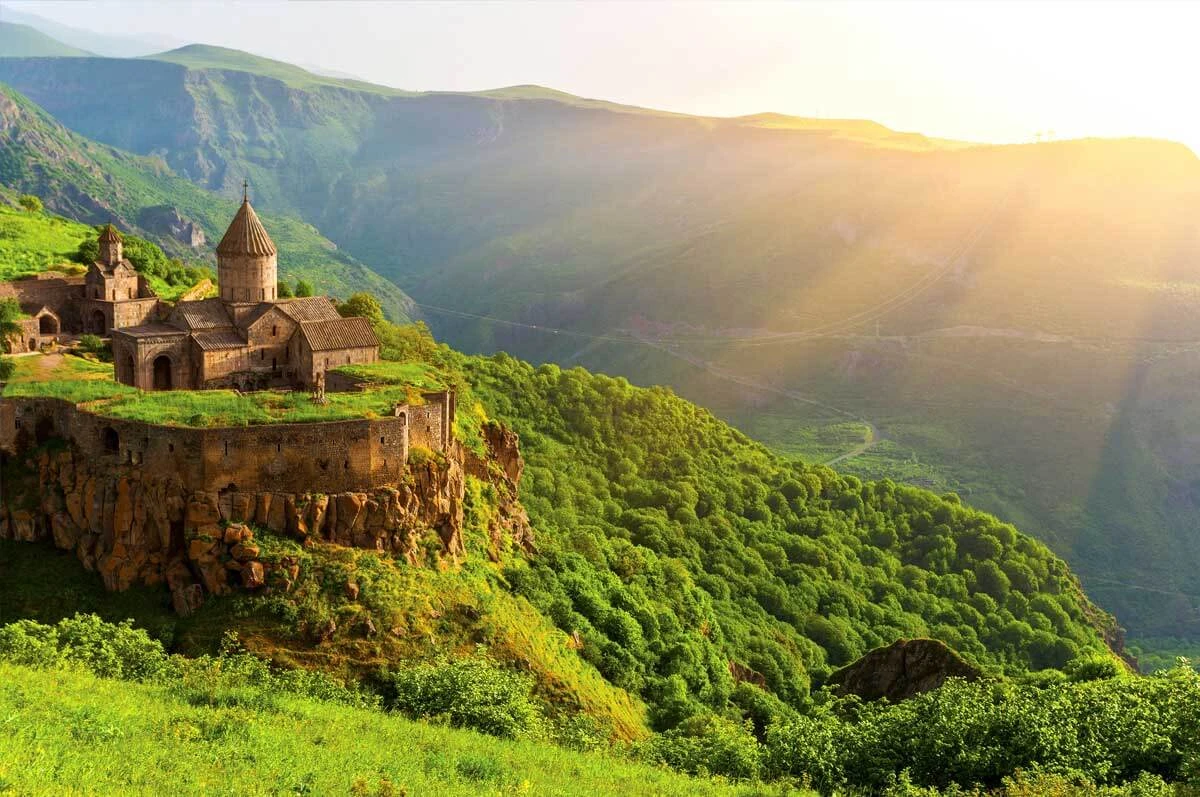
Armenia is a dream destination for mountain and hiking lovers.
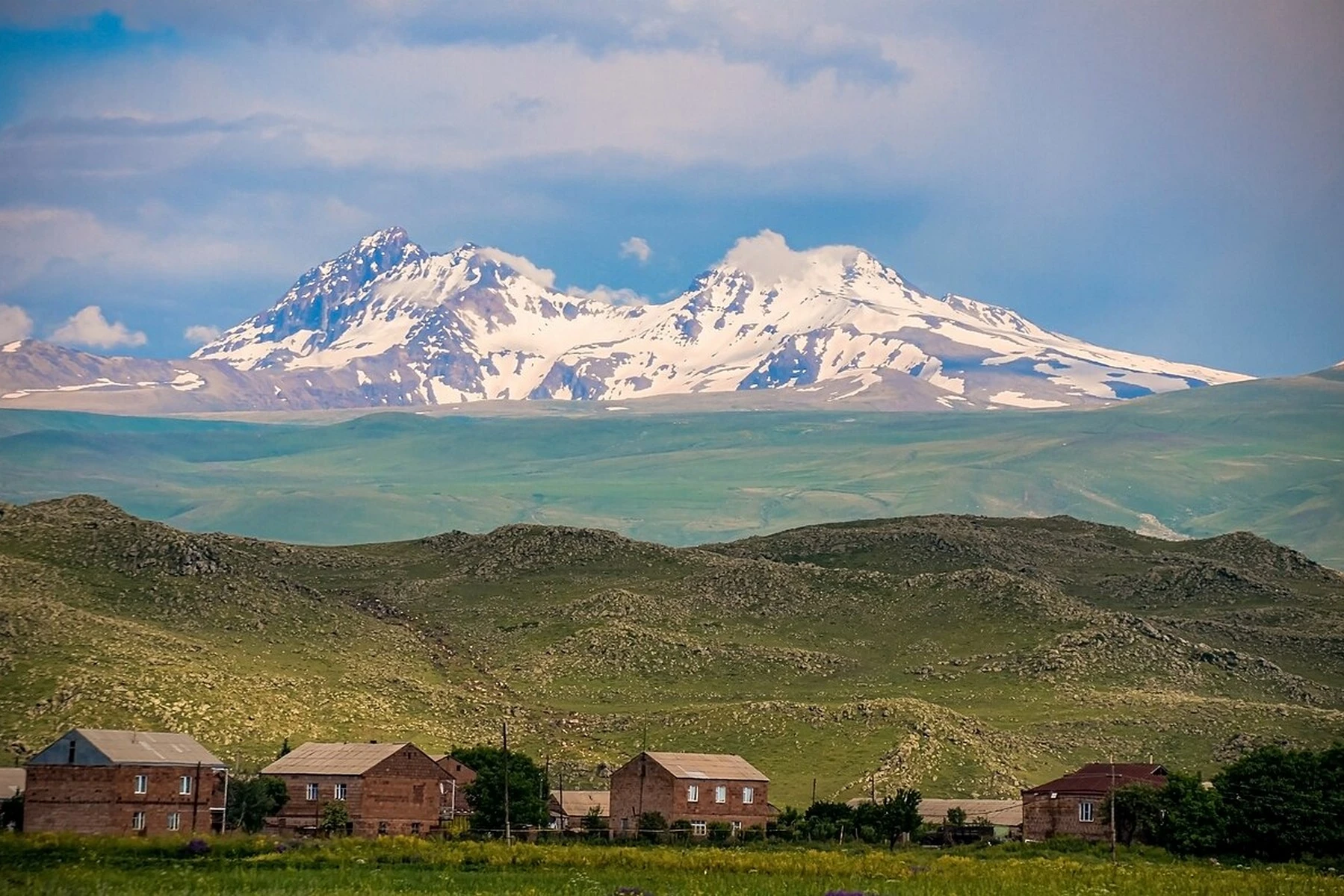
The territory of the Republic of Armenia is predominantly mountainous, shaped by dramatic ranges and volcanic formations of varying elevations. Its highest peak is Mount Aragats, which rises to 4,090 meters above sea level. This impressive volcanic massif features four distinct summits surrounding a large crater.
In addition to its striking landscape, the mountain is rich in water resources, boasting picturesque waterfalls and more than ten alpine lakes that enhance its natural beauty and ecological significance.
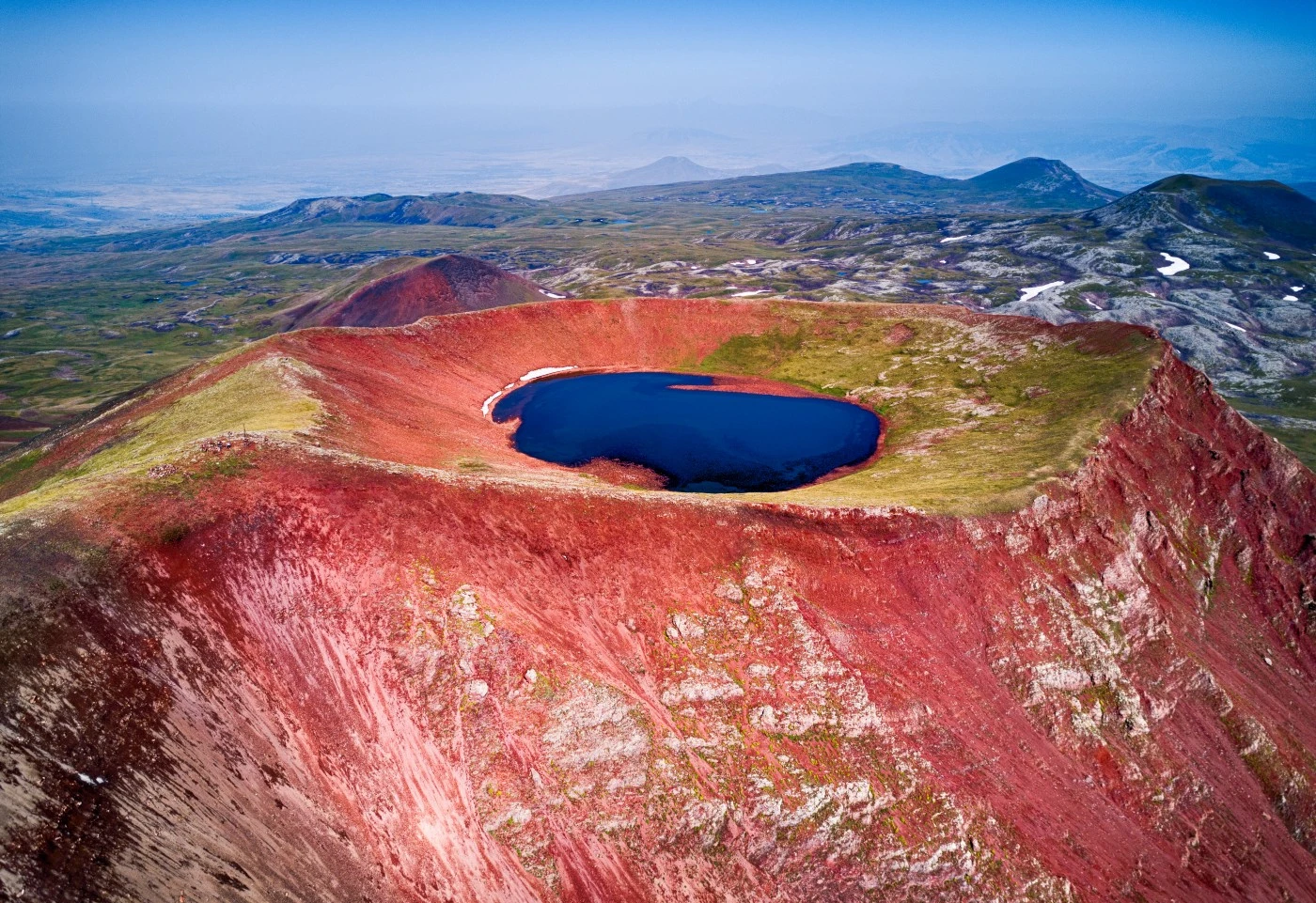
Mount Azhdahak or “The Planet Mars of Armenia”
One of the unique mountains of the Armenian Highland is Azhdahak, rising 3,597 meters above sea level. Because of its reddish terrain, locals have nicknamed it “the planet Mars.” What makes this volcano even more remarkable is its crater lake.
Armenia – The Homeland of Ancient Winemaking
Armenia is widely regarded as one of the cradles of winemaking, with a viticultural history stretching back thousands of years. Archaeological discoveries in and around the village of Areni have provided remarkable evidence of this ancient tradition.
In 2007–2011, excavations at the Areni-1 cave complex revealed what is considered the world’s oldest known winery, dating back to around 4100 BCE (over 6,000 years ago). Archaeologists uncovered wine presses, fermentation vats, storage jars, grape seeds, and residues of red wine — clear proof that organized wine production was already well established in the region during the Chalcolithic period.